
Arab Nations: Democracy Is Not Just a Political Regime Change
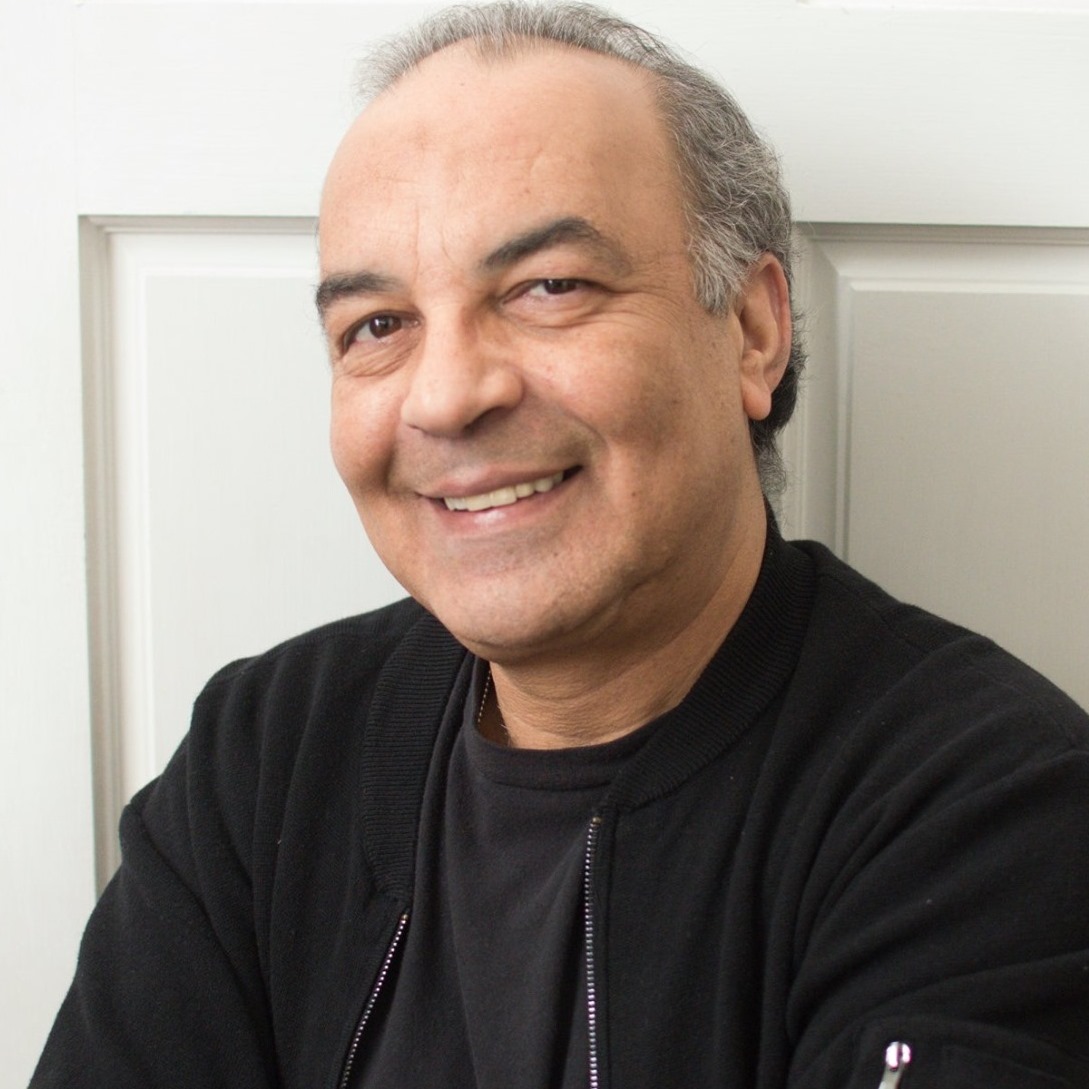 Cherif Sidiali
on democracy and government
Cherif Sidiali
on democracy and government
Now that Tunisia has reached a milestone electing a president that Tunisian citizens believe may bring order to the country after years of political chaos, what’s next for Tunisians to fulfill a truly democratic country?
Democracy is a big word that comes with heavy responsibilities. There’s no doubt that today’s societies have now more than ever, the ultimate right to demand a governing system that liberates the people from tyranny and dictatorship.
However, it is equally important for the people to understand what democracy is before they invade the streets protesting for it.
Democracy can only thrive if governments and their people commit themselves to uphold the highest standards of ethics and moral values. Democracy is not just a voting privilege, nor the person’s right to act freely according to any circumstance that suits their own interest.
The agreed up on attributes of a democratic system are: Elections not selections, transparency, accountability, majority rules and minority rights, cooperation and compromises, and individual rights.
Nonetheless, these attributes alone cannot form a democratic society if citizens do not also hold themselves accountable for their actions. People, whether individual or collective duties, assuming their fair share of commitment to positive social change can greatly help the democratic process to succeed. No democracy around the world is perfect, and no governing system is immune from challenges that represent a true democracy.
However, the difference in why Western democracies are ahead is because their citizens have a clear grasp of not only their rights, but also their responsibilities.
What’s happening in countries like Algeria, Tunisia, and others is commendable, as people have been practically living on the streets, protesting for a change of their failed government system which, for decades, has plunged these countries into economic and social darkness. Throughout months of protest, the world has witnessed the ability, persistence, and diligence by which the North African people stood united to face the political crisis.
However, despite this persistence for positive change, and calling for democratic regimes, an important question remains: “Are Arab societies ready to establish and sustain democracy?”
The actual state of Arab countries delivers a disappointing reality about Arab citizens understanding of democracy. It is not enough to take to the streets demanding for a political change if Arab citizens are not committed to change themselves first. Social responsibility is the responsibility of every citizen seeking a better life, and not only the responsibility of organizations to do good.
As defined by P. Alliance, “The theory of social responsibility is built on a system of ethics, in which decisions and actions must be ethically validated before proceeding. If the action or decision causes harm to society or the environment, then it would be considered to be socially irresponsible. Moral values that are inherent in society create a distinction between right and wrong. In this way, social fairness is believed (by most) to be in the ‘right’, but more frequently than not this “fairness” is absent. Every individual has a responsibility to act in manner that is beneficial to society and not solely to the individual.”
Democracy cannot take roots in any society if people are not morally committed to change their behavior. Even our own Islamic democracy seems to be a great challenge for Arab and non-Arab citizens to understand. Any Muslim, if asked, will clearly state what Islam says about being a model citizen, what our responsibilities towards the environment are, how to behave, and how to care about the well-being of others. Unfortunately, none of the actions reflect these great teachings.
So, how can democracy be so captivating to the Muslim world, and yet, so difficult to understand the responsibilities it carries? Tunisia may finally be out of the darkness of years of corruption and political conflicts, but are Tunisians ready to put the prosperity of their country before their own personal individual prosperity?
Similarly, Algeria’s elections are to take place in December 2019, and Algerians, like Tunisians, will decide on who their next president will be.
The question remains – will Algerians truly understand their social obligations under a democracy they fought so hard for all these months, or will they use the political change to demand their rights that suit their political needs only?